
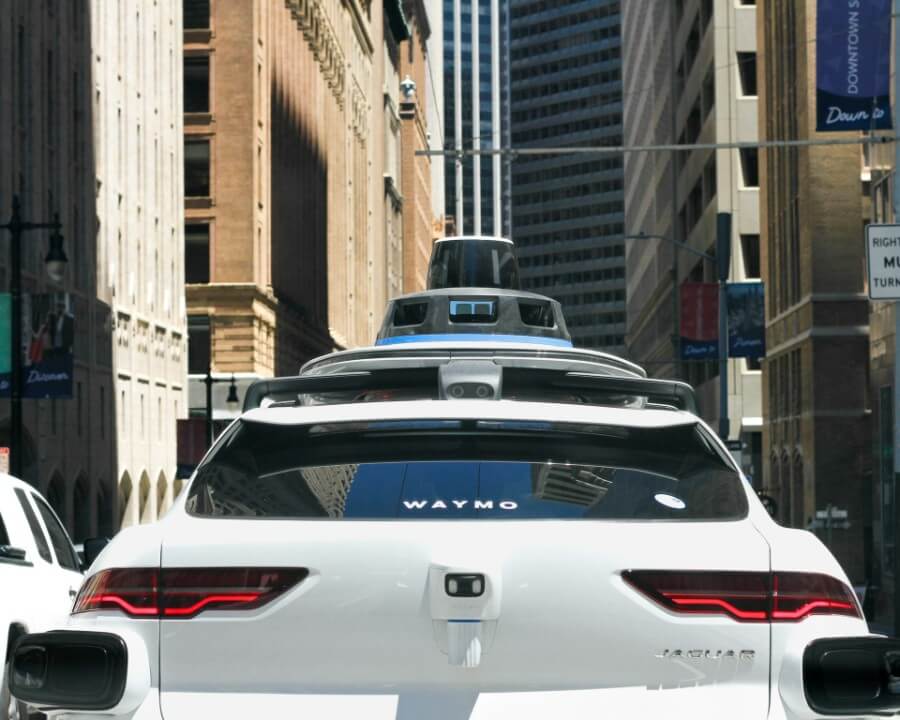
The idea of vehicles that drive themselves and cities that flow smoothly is quickly becoming a reality, thanks to the innovative way that Cyber-Physical Systems (CPS) are bringing the physical and digital worlds together.
The integration of autonomous vehicles (AV’s) and intelligent traffic management is one of the most visible & exciting developments of CPS - using real-time sensing, fast computing & precise control to create smarter transportation systems that are safer, more efficient & ultimately a lot more reliable. The work of computer scientists & researchers has been key to developing CPS for autonomous vehicles & smart traffic, laying the groundwork for bringing computation, networking & the physical world into harmony. In CPS, embedded computers and networks monitor and control physical processes, with networks monitor functions providing real-time feedback loops that link the physical environment to computational systems for continuous monitoring and control.
At its core, a self-driving car is a mind-bogglingly complex CPS. It is constantly gathering data from its surroundings, churning through all that information in real-time, making split-second decisions & then executing physical actions - all in the space of seconds. The back-and-forth dance between the physical & cyber domains is what makes autonomous driving even possible. Feedback loops link the physical world & computational elements in CPS, so the system can keep a close eye on what’s going on & make adjustments as needed. In these systems, physical processes affect computations, creating a bidirectional relationship where changes in the physical world directly influence computational states and decision-making, just as computational outputs affect physical actions. AI & models are used to enable autonomous decision-making, allowing CPS to take in data, predict what will happen & keep everything running safely.
Introduction to Cyber Physical Systems
Cyber-Physical Systems (CPS) are at the heart of today’s most transformative technologies, seamlessly blending the digital and physical worlds. At their core, CPS are systems where computational and physical elements are deeply intertwined, working together in real time to monitor, control, and optimize physical processes. This tight integration is what allows everything from self-driving vehicles and smart grids to medical monitoring devices and industrial automation to operate with unprecedented efficiency and intelligence.
In a typical CPS, embedded computers and software components constantly interact with the physical world through sensors and actuators. These feedback loops enable the system to sense changes in its environment, process data, and make decisions that directly affect physical actions—whether that’s adjusting the steering wheel in an autonomous vehicle, managing energy flow in a smart grid, or monitoring a patient’s vital signs in a hospital. The ability of CPS technologies to exchange data, adapt to new information, and respond to real-world events in milliseconds is what sets them apart from traditional systems.
The development of CPS has been driven by advances in computer science, control theory, and engineering, with foundational research supported by organizations like the National Science Foundation. As CPS become more prevalent in our daily lives, they are reshaping the built environment, making cities smarter, infrastructure more resilient, and transportation safer and more efficient for the world’s population.
The Evolution of Autonomous Vehicles
The journey from early driver assistance to today’s self-driving cars is a story of rapid technological evolution. It began with basic features like cruise control and anti-lock brakes, which offered a taste of automation but still required constant human oversight. As embedded systems and sensor technologies advanced, vehicles gained more sophisticated capabilities such as adaptive cruise control, lane departure warning, and automatic emergency braking—features that could actively monitor the road and assist the driver in real time.
The introduction of hands-free highway driving systems, like Super Cruise and Tesla’s Autopilot, marked a major leap forward. These systems use a combination of cameras, radar, and lidar to enable lane centering, traffic jam pilot, and even limited full self-driving on certain roads. Today’s autonomous vehicles are designed to match or exceed the performance of the average human driver, handling complex traffic scenarios, merging onto highways, and navigating city streets with minimal human intervention.
This evolution has been fueled by advances in artificial intelligence, data platforms, and tightly integrated software and hardware. The shift from fully manual driving to automated driving is not just about convenience—it’s about enhancing safety, reducing human error, and unlocking new possibilities for mobility and efficiency in the transportation sector.
CPS Foundations in Self-Driving Technology
The remarkable capabilities of self-driving vehicles are built on decades of foundational research in cyber-physical systems. At the heart of every autonomous vehicle is a sophisticated system design that brings together computational elements, physical processes, and robust feedback loops. These systems rely on embedded computers to process sensor data, make split-second decisions, and control the vehicle’s physical elements with precision.
Organizations like the National Science Foundation have played a pivotal role in advancing CPS research, supporting the development of international standards and best practices that ensure safety, reliability, and interoperability. The design of self-driving cars demands that physical processes—like road conditions, vehicle dynamics, and human interaction—are accurately modeled and tightly coupled with computational algorithms. This ensures that the vehicle can adapt to changing environments, respond to unexpected events, and maintain active safety at all times.
Key to this foundation is the use of digital twins and simulation environments, which allow engineers to test and refine system performance before deploying vehicles on public roads. By integrating software components with real-world data and physical models, CPS technologies enable self-driving vehicles to operate efficiently, safely, and with minimal human intervention.
Smart Traffic Systems and Urban Mobility
As cities grow and transportation networks become more complex, smart traffic systems powered by CPS are revolutionizing urban mobility. These systems use a vast array of sensors, IoT devices, and embedded computers to monitor traffic flow, manage congestion, and optimize the movement of vehicles, pedestrians, and public transit. By leveraging real-time data platforms and advanced analytics, smart cities can dynamically adjust traffic light timing, reroute vehicles to avoid bottlenecks, and prioritize emergency response.
Digital twin technology is increasingly used to create virtual models of urban infrastructure, allowing city planners to simulate and optimize everything from road layouts to energy consumption. Smart grids, another application of CPS, ensure that electric vehicles and other devices can be charged efficiently, balancing demand and supply across the city.
The integration of CPS into the built environment supports not only efficient transportation but also improved safety, reduced emissions, and enhanced quality of life for residents. By enabling seamless data exchange and coordination between vehicles, infrastructure, and central control systems, CPS is laying the groundwork for the next generation of urban mobility—one that is adaptive, resilient, and deeply connected.
Security and Privacy in Cyber Physical Systems
With the increasing reliance on CPS in self-driving vehicles and smart cities, security and privacy have become critical concerns. The tightly integrated nature of computational and physical elements means that vulnerabilities in software components or data platforms can have direct, real-world consequences—impacting safety, performance, and public trust.
Protecting CPS requires a multi-layered approach, including secure data exchange, robust authentication, and continuous monitoring of networks that control physical systems. International standards play a vital role in ensuring that devices and systems can interoperate securely, while also safeguarding sensitive information. For example, in autonomous vehicles, it’s essential to protect data related to location, driving behavior, and passenger identity from unauthorized access or misuse.
As CPS technologies become more widespread, ongoing vigilance is needed to address emerging threats, from cyberattacks on transportation infrastructure to privacy breaches in medical monitoring devices. Building resilient, secure systems is not just a technical challenge—it’s a societal imperative, ensuring that the benefits of CPS can be realized without compromising safety or individual rights.
The Road Ahead: Future Trends and Societal Impact
Looking to the future, the impact of cyber-physical systems on society is set to grow even more profound. The continued development of fully automated vehicles, smart cities, and intelligent infrastructure will bring new levels of efficiency, safety, and accessibility to the world’s population. Advances in artificial intelligence, machine learning, and IoT devices will further enhance the capabilities of CPS, enabling systems that can learn, adapt, and operate autonomously in ever more complex environments.
As CPS technologies mature, we can expect to see greater integration across sectors—from transportation and energy to healthcare and civil infrastructure. This will require ongoing collaboration between engineers, policymakers, and communities to ensure that system design reflects societal needs and values. Human interaction and oversight will remain essential, especially as CPS take on more critical roles in daily life.
Ultimately, the promise of CPS lies in their ability to bridge the gap between the digital and physical worlds, creating systems that are not only efficient and high-performing but also resilient, secure, and responsive to the needs of society. As we move toward a future shaped by CPS, the opportunities for innovation and positive impact are virtually limitless.