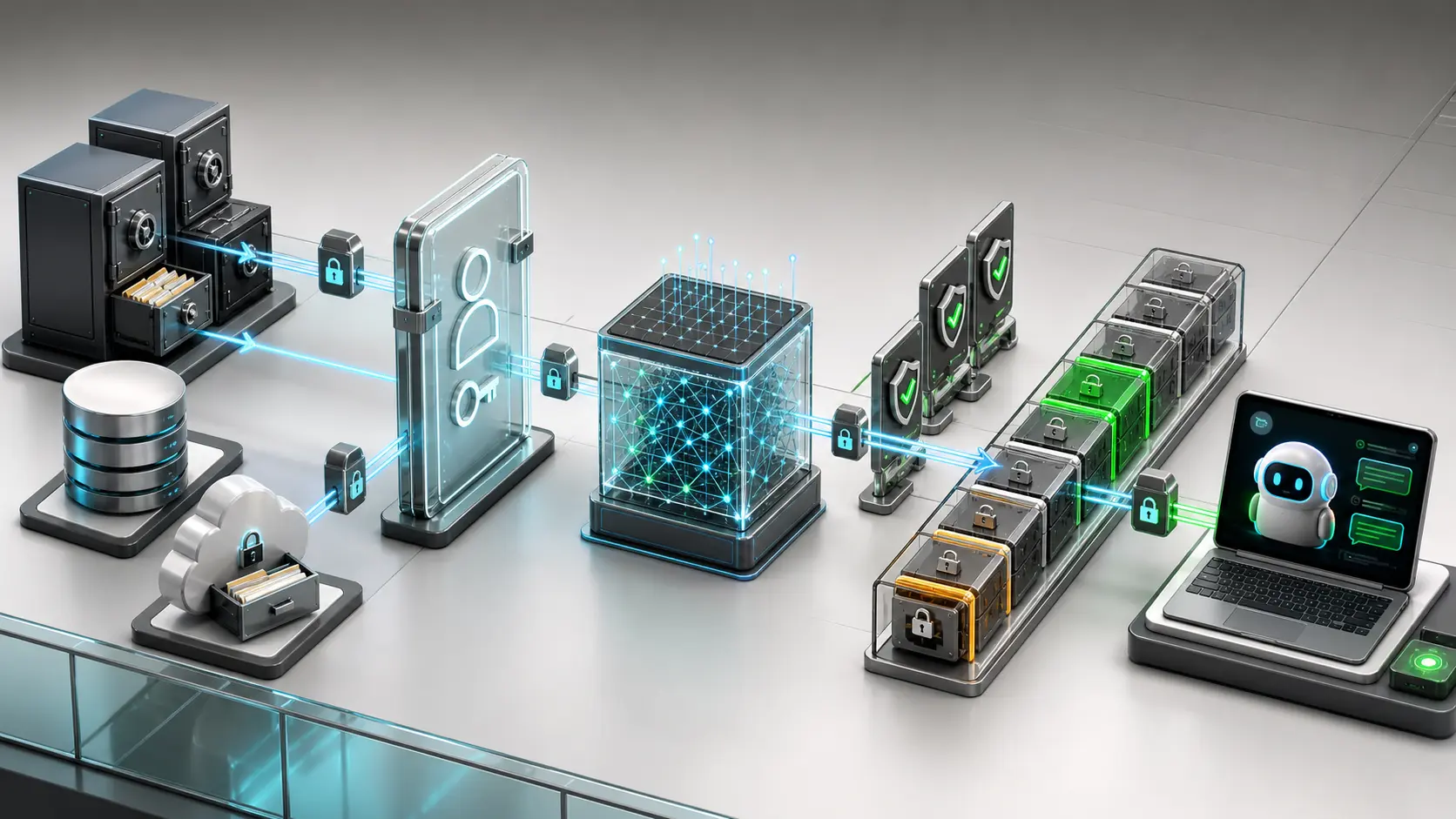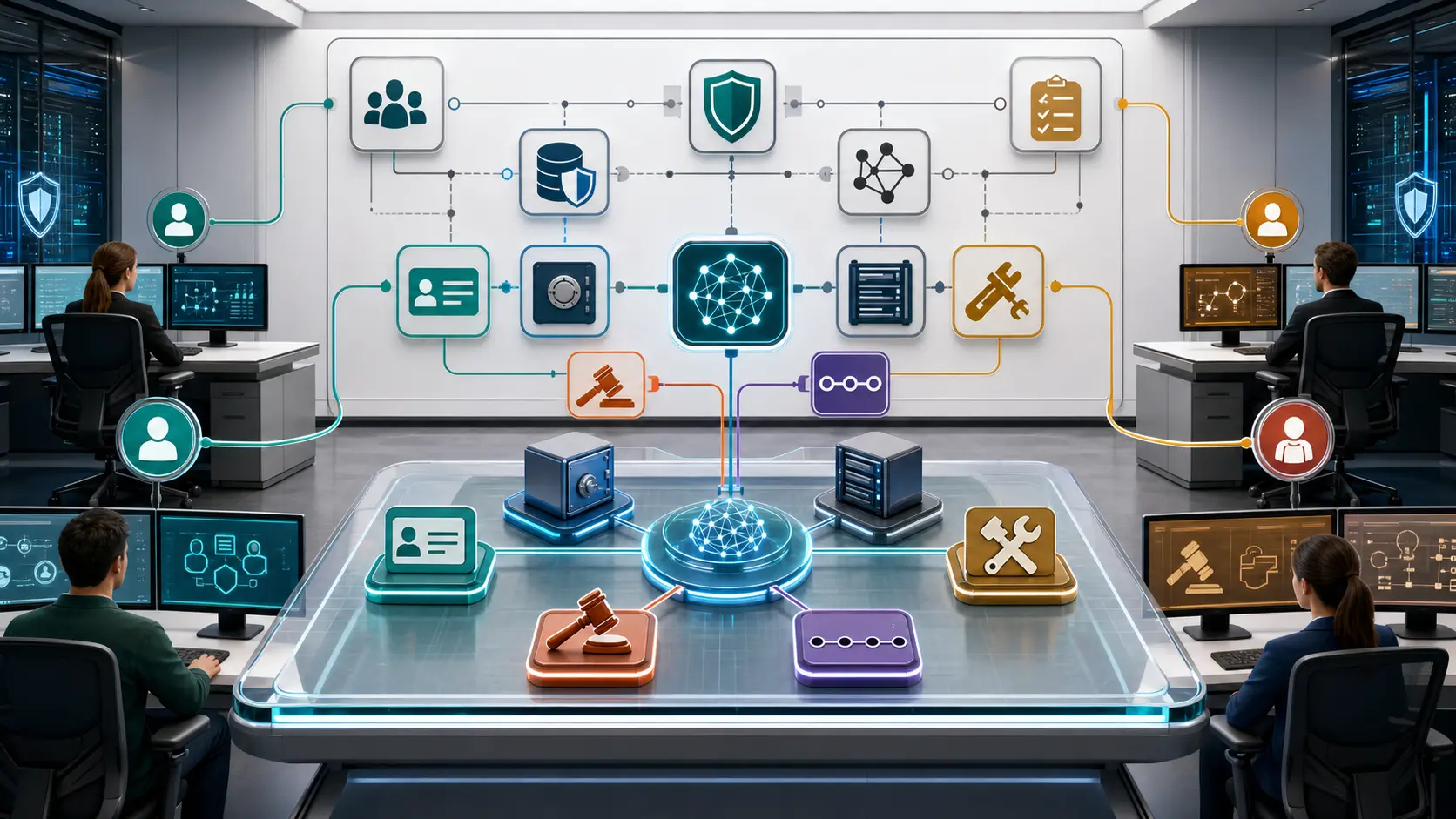
I wanted an AI system that could generate beautiful, production-ready newsletter HTML from a single prompt, while still being reliable enough for real workflows. Agentic workflows are designed for real world applications, enabling generative AI systems to automate repetitive tasks, reduce human effort, and increase operational speed. In this project, generative AI powers the agentic workflows that drive the system.

Qwen 3.5 VLM just dropped — and it’s a very “agent-native” kind of multimodal
A few days ago, Alibaba’s Qwen team released Qwen 3.5, and it’s one of those launches that quietly changes the “default mental model” of what a VLM is supposed to be. Not just a model that can see, but a model that’s clearly being positioned as a native multimodal agent: something that can look at a UI, reason over it, decide what to do next, and (crucially) do so efficiently enough that you can imagine it running in production without your GPU bill turning into performance art.

How to Install OpenClaw on NVIDIA Jetson Orin Nano — and Turn It Into a Physical AI Agent
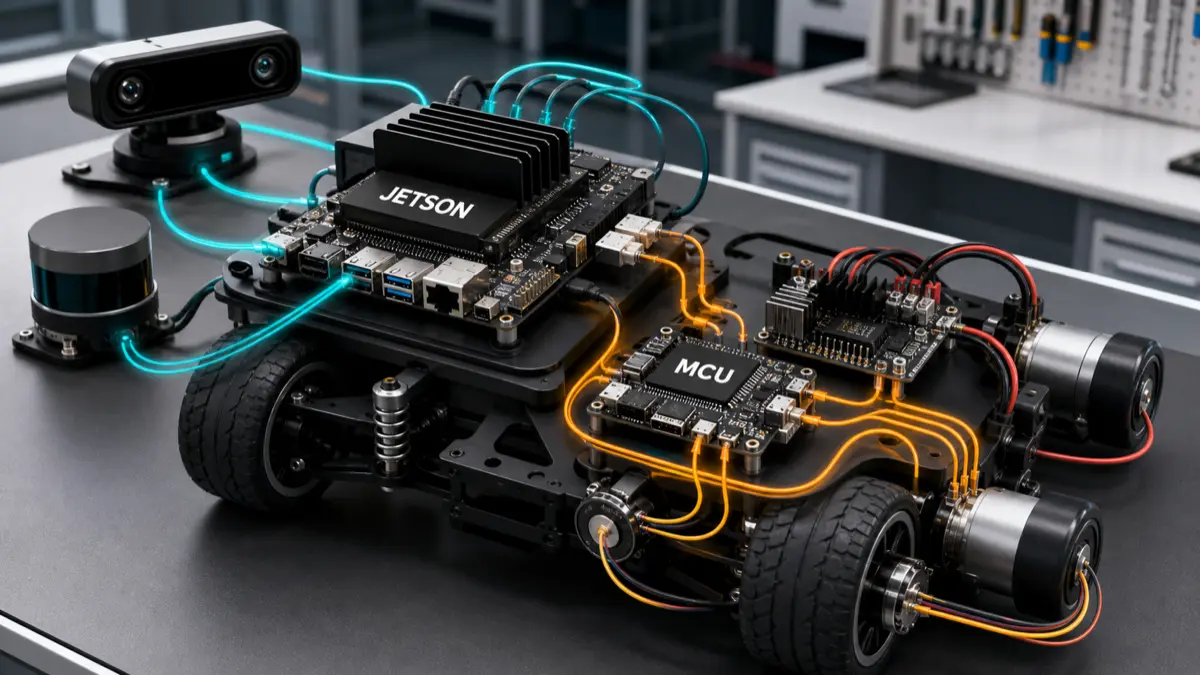
This guide explains how to install OpenClaw on a NVIDIA Jetson Orin Nano, and how to extend it into a real Physical AI agent capable of interacting with the physical world. The computational power of the Jetson Orin Nano enables advanced physical AI models to operate in real time.

What Is a Digital Twin in Robotics (And What It Is Not)
The term digital twin in robotics is one of the most overused — and misunderstood — concepts in modern engineering. Digital twins are used to create dynamic digital replicas of physical products and their physical counterparts, not just in robotics but also in construction, manufacturing, and other industries.

World Models in Robotics - How Robots Learn to Predict the Future (and Why It Changes Everything)
Artificial intelligence in robotics is often associated with large language models, vision systems, or reinforcement learning. But one of the most transformative concepts emerging in modern AI — especially for robots and cyber-physical systems (CPS) — is the world model.

Containerizing Robotic Systems Without Losing Your Mind
Containers Are Tools, Not Religion in Cyber Physical Systems
Containerization has become almost ideological in modern software engineering. In web infrastructure, “just Dockerize it” is often the correct answer. In robotics, that mindset can either save you months of pain — or create subtle, catastrophic problems that only appear under load, in the field, or during a live demo.

AI in Robotics - An LLM Is Not a Brain - The Real Role of LLMs — and Other AI Models — in a Cyber-Physical system
Artificial intelligence (AI) has rapidly evolved from a field focused on abstract problem-solving and digital environments to one that increasingly shapes our interactions with the physical world. At its core, AI refers to the development of intelligent systems capable of analyzing data, learning from experience, and making decisions—often with minimal human intervention. Traditional AI systems excelled in software domains, such as natural language processing, computer vision, and data analytics, operating primarily within virtual environments.

Install a Local AI Runtime (Jarvis-like) container on Jetson Orin Nano with Isaac ROS
Scope of this article (important)
This article covers only the Docker container setup: persistence, audio, GPIO, Whisper server access, and Isaac ROS integration on JetPack 6.x.
LLMs, VLMs, dialog logic, and intelligence layers (VAD → Whisper → LLM → TTS) will be covered in future articles.Think of this as building the body and nervous system of your Jarvis-like runtime — not the brain yet.

ROS 2.0 and Isaac ROS on NVIDIA Jetson Orin Nano Super — A Deep, Practical Guide
A deliberately long, deeply technical, experience‑driven guide. Written both for my future self (who will have forgotten all the painful details) and for readers who want to install and actually understand ROS 2 + Isaac ROS on Jetson Orin Nano Super — without wasting weeks on unclear or misleading documentation.

Running Piper TTS in ROS 2 on NVIDIA Jetson Orin Nano with Very Low Latency
A practical, low-level guide from theory to production on Jetson
Text-to-Speech (TTS) looks simple on paper: you provide text, you get audio.
In practice, especially on embedded hardware, inside containers, and integrated into a ROS 2 system, achieving low latency, stable audio, and reproducible behavior is surprisingly difficult.